For many people living on the U.S. East Coast, dental care has become one of the most expensive components of healthcare. Whether you live in Philadelphia, New York, New Jersey, Maryland, or the surrounding states, it’s not uncommon for dental treatment plans to reach five-figure totals—especially for implants, crowns, veneers, or full-mouth rehabilitation.
Even patients with dental insurance often discover that coverage is limited, annual caps are quickly reached, and major restorative procedures come largely out of pocket. As a result, a growing number of East Coast patients are looking beyond the U.S. for affordable, high-quality dental care.
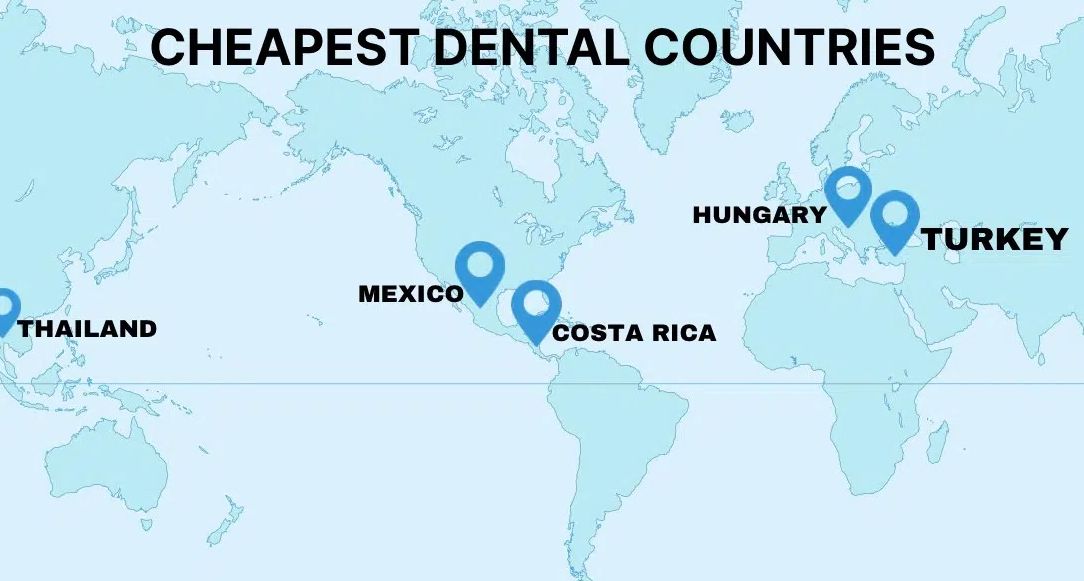
While Mexico has long been the most familiar destination, countries like Turkey, Hungary, and Poland are increasingly attracting American patients. Each offers distinct advantages, but when travel logistics, clinical standards, and long-term value are considered together, Budapest, Hungary is emerging as one of the most practical and compelling options—especially with new direct flights from Philadelphia starting in May 2026.
This review explores the most popular international dentistry options for East Coasters, compares their strengths and limitations, and explains why Hungary—specifically Budapest—stands out in today’s dental travel landscape.
Why East Coast Patients Are Looking Abroad for Dental Care
Dental tourism is no longer a niche trend. It’s a practical response to rising U.S. healthcare costs. East Coast patients often seek care abroad for several key reasons:
-
High prices for implants, crowns, and prosthetics in the U.S.
-
Limited dental insurance coverage and low annual maximums
-
Long treatment timelines and multiple appointments
-
Desire for comprehensive care rather than piecemeal treatment
-
Opportunity to combine healthcare with travel and recovery time
Importantly, patients today are not simply chasing the lowest price. Most are looking for value—a balance of affordability, quality, safety, and predictability.
Mexico: Familiar and Convenient, with Important Caveats
Why Mexico Is Popular with U.S. Patients
Mexico is often the first country Americans consider for dental treatment abroad. Its proximity to the U.S. and long history of serving American patients make it an accessible option, even for those who are new to international care.
Mexican dental clinics commonly offer:
-
Dental implants
-
Crowns and bridges
-
Root canals
-
Cosmetic dentistry
-
Full-mouth restorations
For East Coast patients, travel usually involves a short flight to cities like Cancun or Mexico City, or longer connections to border towns if driving is part of the plan.
Quality and Consistency
Mexico has many excellent dentists and modern clinics, particularly those catering to international patients. However, quality can vary widely. Standards are not uniform across the country, and oversight differs from U.S. or European regulatory systems.
Patients must research carefully, focusing on:
-
Dentist credentials and experience
-
Technology used for diagnostics and implants
-
Sterilization and infection control protocols
-
Materials and implant brands
-
Clear treatment planning and warranties
For smaller procedures, Mexico can be a practical choice. For complex cases—such as full-arch implant restorations—the variability in quality and long-term follow-up can be a concern.
Suitability for East Coasters
Mexico remains attractive for affordability and relatively easy travel. However, it often requires multiple connections from East Coast airports, and aftercare coordination can be challenging once a patient returns home.
Turkey: Strong Infrastructure and Competitive Pricing
Turkey’s Rise as a Dental Tourism Destination
Turkey has invested heavily in medical and dental tourism over the past decade. Cities like Istanbul and Antalya now host clinics designed specifically for international patients, offering bundled services that include treatment, accommodation, and transportation.
Turkish clinics are particularly known for:
-
Dental implants and full-arch solutions
-
Veneers and smile makeovers
-
Digital dentistry and CAD/CAM technology
-
High patient volumes and streamlined processes
Clinical Capabilities
Many Turkish dentists have international training and use modern equipment. Clinics often promote advanced imaging, guided implant placement, and fast treatment timelines.
That said, the system is highly commercialized. Some clinics prioritize speed and volume, which may not suit every patient—especially those with complex medical histories or those seeking highly individualized care.
Travel Considerations
For East Coast patients, travel to Turkey almost always involves one or more layovers. Long flight times, jet lag, and scheduling complexity can be challenging, particularly for multi-stage treatments that require return visits.
Turkey can offer excellent value, but travel distance and continuity of care should be carefully weighed.
Poland: Emerging European Option with Strong Fundamentals
Dentistry in Poland
Poland is gaining recognition as an affordable European dental destination, particularly among patients from Western Europe. Polish clinics often provide:
-
Dental implants
-
Restorative and prosthetic dentistry
-
Crowns, bridges, and veneers
-
Conservative treatment planning
Polish dentists are well trained, and many clinics operate under EU healthcare standards.
Advantages and Limitations
Poland’s strengths include solid clinical training, competitive pricing, and a professional healthcare culture. However, compared with Hungary, Poland has less experience with long-distance dental tourism from the U.S.
Language support, international patient coordination, and travel logistics are improving but not yet as streamlined as in more established destinations.
For East Coast patients, Poland dentistry may require multiple flights and longer planning, making it better suited for those already familiar with international healthcare travel.
Hungary: A Longstanding Dental Hub with New U.S. Accessibility
Why Hungary Has Been a Dental Destination for Decades
Hungary—particularly Budapest—has been a center for international dentistry for over 30 years. Long before dental tourism became common in the U.S., Hungarian clinics were treating patients from Germany, the UK, Switzerland, and Scandinavia.
This long history has led to:
-
Highly experienced implant and prosthetic specialists
-
Strong collaboration between dentists and in-house labs
-
Well-developed systems for international patients
-
Consistent clinical standards aligned with EU regulations
Clinical Standards and Expertise
Hungarian dental clinics are known for precision, conservative treatment planning, and durable outcomes. Many practices emphasize long-term success rather than speed.
Common features include:
-
Advanced diagnostics (CBCT, digital scans)
-
EU-approved implant systems
-
In-house dental laboratories
-
Multidisciplinary teams for complex cases
-
Clear documentation and treatment sequencing
Hungary is especially respected for full-arch rehabilitation, implant-supported bridges, and complex restorative dentistry.
The Game Changer: Direct Flights from Philadelphia to Budapest (May 2026)
For East Coast patients, accessibility has always been the final barrier to choosing Hungary. That barrier is about to disappear.
Starting May 2026, direct flights between Philadelphia and Budapest will dramatically simplify travel. This development has several important implications:
-
No layovers or airport transfers
-
Reduced travel fatigue after dental surgery
-
Easier planning for staged treatments
-
More realistic follow-up visits
-
Greater peace of mind for first-time travelers
For patients in Pennsylvania, New Jersey, New York, Delaware, and nearby states, Budapest will soon be as easy to reach as many popular vacation destinations.
Cost vs. Value: Looking Beyond the Price Tag
While cost savings are a major motivation for seeking dental care abroad, the smartest patients focus on value, not just price.
Across destinations:
-
Mexico often offers the lowest upfront prices
-
Turkey provides aggressive package deals
-
Poland delivers solid European quality at moderate cost
-
Hungary balances affordability with long-term reliability
When travel convenience, treatment longevity, and reduced risk of complications are factored in, Budapest often delivers the best overall value—particularly for complex or implant-based care.
Full-Arch and Implant Dentistry: Where Hungary Excels
Full-arch rehabilitation is one of the most demanding areas of dentistry. It requires:
-
Accurate diagnostics
-
Precise surgical placement
-
High-quality prosthetic design
-
Careful bite alignment
-
Long-term planning
Hungarian clinics are especially well regarded in this area due to their integrated approach and decades of experience. For East Coast patients considering major dental reconstruction, this expertise is a critical advantage.
Aftercare and Long-Term Peace of Mind
One of the biggest concerns patients have about dental treatment abroad is what happens after they return home.
Hungarian clinics typically provide:
-
Detailed treatment records
-
Clear implant documentation
-
Remote follow-up support
-
Structured return visit plans if needed
With direct flights from Philadelphia, returning to Budapest for adjustments or final stages becomes significantly more manageable.
Making the Right Choice as an East Coast Patient
Choosing where to receive dental care is deeply personal. Factors to consider include:
-
Complexity of treatment needed
-
Personal comfort with travel
-
Desire for continuity and follow-up
-
Communication and language support
-
Overall trust in the healthcare system
For simpler procedures, Mexico may suffice. For cosmetic dentistry, Turkey may appeal. For patients seeking predictable, high-quality outcomes with improved accessibility, Hungary—and specifically Budapest—is increasingly difficult to overlook.
Final Thoughts: Budapest’s Moment Has Arrived
Affordable dentistry for East Coasters is no longer limited to nearby borders or long, complicated journeys. With decades of clinical excellence and a new direct flight connection from Philadelphia beginning in May 2026, Budapest Dental treatment represents a rare combination of experience, accessibility, and value.
For patients willing to think globally and prioritize long-term oral health, Hungary is no longer just an alternative—it’s becoming a first-choice destination.